
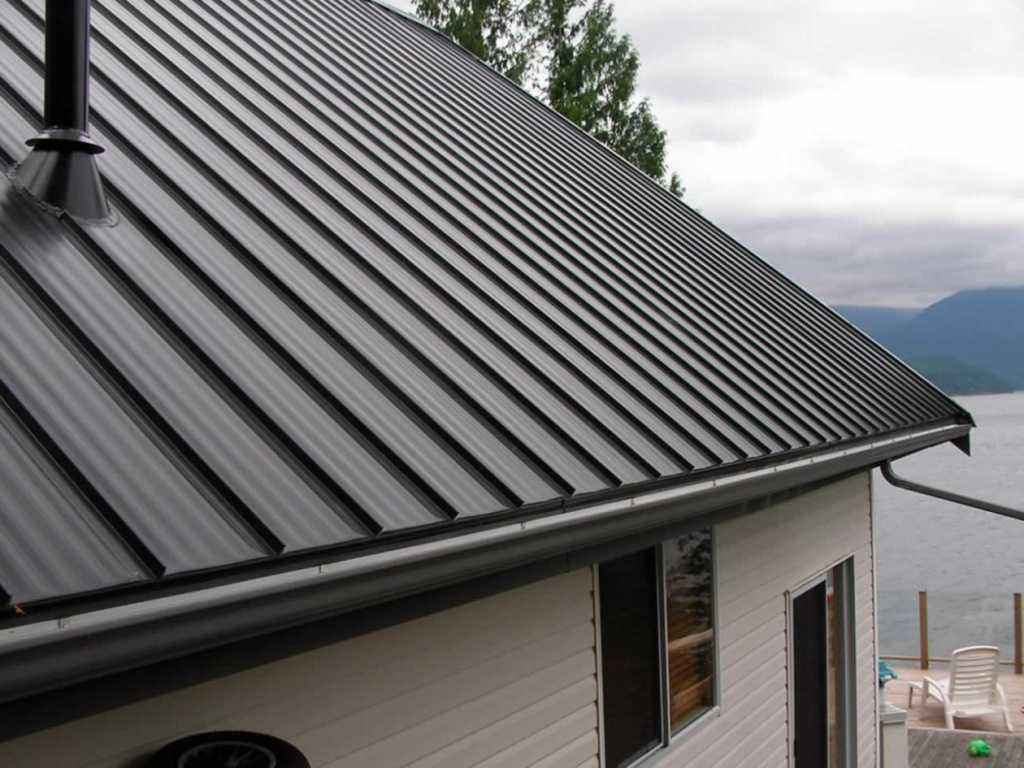
Commercial roofing systems are one of the most critical components of any business property, yet they are also among the most overlooked until serious damage occurs. A roof system protects the entire structure, inventory, equipment, employees, and operations beneath it. When it begins to fail, the consequences are often expensive and disruptive.
One of the most common issues in commercial buildings is that roof failure does not happen suddenly. It develops slowly over time due to small, unnoticed problems that accumulate. These issues often remain hidden until visible signs such as leaks, mold, or structural damage appear inside the building.
The most common reason for commercial roof system failure is water intrusion, which leads to progressive deterioration of roofing layers, insulation, and structural components. However, water intrusion is usually the result of multiple contributing factors such as poor drainage, damaged membranes, flashing failure, and lack of maintenance.
Understanding these causes helps property owners prevent costly repairs and extend the lifespan of their roofing system.
What Is Commercial Roof System Failure?
Commercial roof system failure refers to the breakdown of a roofing system to the point where it can no longer properly protect the building from external elements such as rain, wind, heat, and moisture. It is not limited to a single leak or minor defect but includes widespread deterioration that compromises the system’s integrity.
A roofing system typically consists of multiple layers, including insulation, waterproof membranes, drainage systems, and protective coatings. When any of these components fail, the entire system becomes vulnerable.
System failure can lead to interior water damage, insulation breakdown, energy inefficiency, and in severe cases, structural weakening of the building itself. In flat or low-slope commercial roofs, the risk is even higher due to slower water runoff and higher exposure to standing water.
Most Common Reason for Roof System Failure
Water intrusion is the leading cause of commercial roof system failure. It occurs when water penetrates the roofing system and enters the internal layers or structure of the building. Once moisture gets trapped inside, it spreads gradually, weakening insulation, corroding materials, and encouraging mold growth.
The major issue with water intrusion is that it often remains invisible until significant damage has already occurred. Small leaks or trapped moisture pockets can exist for months or even years before detection.
Water intrusion is rarely caused by a single factor. Instead, it is usually the result of multiple roofing weaknesses occurring together.
Major Causes of Roof System Failure
Poor Drainage and Ponding Water
One of the most significant contributors to roof failure is improper drainage. Flat commercial roofs are especially vulnerable to this issue. When water does not flow off the roof efficiently, it begins to collect in low areas.
This condition is known as Ponding Water. Over time, standing water adds excessive weight to the roof structure and increases stress on roofing materials. It also accelerates deterioration of waterproof membranes and encourages leaks.
Poor drainage often results from incorrect roof slope design, clogged drains, or structural settling over time. If not addressed, ponding water becomes a long-term threat to the entire roofing system.
Damaged Roof Membrane
The roof membrane acts as the primary waterproof barrier in most commercial roofing systems. When this layer is compromised, water can easily penetrate the structure.
A Roof Membrane Roofing system may develop cracks, blisters, punctures, or seam separation due to UV exposure, weather conditions, or physical damage.
Even small punctures in the membrane can allow water to seep beneath the surface. Once this happens, moisture spreads horizontally and vertically, making the damage more difficult and expensive to repair.
Failed Flashing and Seals
Flashing is used to seal roof edges, joints, vents, and HVAC penetrations. It is one of the most vulnerable components of any commercial roof.
When flashing deteriorates or is improperly installed, it creates direct entry points for water. This is one of the most common causes of leaks in commercial buildings.
The Roof Flashing system must remain tightly sealed to prevent moisture intrusion. However, thermal expansion, aging materials, and poor installation can weaken these seals over time.
Lack of Preventive Maintenance
One of the most overlooked causes of roof system failure is the absence of regular inspections and maintenance. Many commercial property owners only inspect their roofs after a problem becomes visible.
Without maintenance, small issues such as minor cracks, debris buildup, or drainage blockage can evolve into major structural failures.
A structured Commercial Roofing Maintenance program helps identify problems early and prevents costly repairs. Routine maintenance includes cleaning drains, inspecting seams, checking flashing, and repairing small defects before they worsen.
Poor Installation Practices
Improper installation is another major contributor to premature roof failure. Even high-quality materials will fail if not installed correctly.
Common installation errors include improper sealing, incorrect layering of materials, and failure to follow manufacturer specifications. These mistakes create weak points that allow water infiltration and reduce the overall lifespan of the roofing system.
Weather and Thermal Stress
Commercial roofs are constantly exposed to environmental stress. Temperature fluctuations cause materials to expand and contract repeatedly. Over time, this movement weakens seams and connections.
UV radiation also breaks down roofing materials, especially in exposed flat roof systems. Severe storms, hail, and wind can cause additional physical damage, increasing the risk of leaks and membrane failure.
Early Warning Signs of Roof System Failure
Recognizing early signs of failure can help prevent major damage. Some of the most common indicators include:
- Water stains on ceilings or walls
- Musty odors caused by hidden moisture
- Visible roof surface cracks or blistering
- Standing water after rainfall
- Loose or damaged flashing
- Rising energy bills due to insulation failure
- Interior humidity issues or mold growth
These signs often indicate that water intrusion is already occurring within the roofing system.
How Roof System Failure Is Prevented
Regular Roof Inspections
Routine inspections are essential for identifying potential issues early. Professional roof inspections help detect hidden damage before it spreads. Early detection significantly reduces repair costs and extends roof lifespan.
Drainage System Improvements
Proper drainage design is critical for preventing water accumulation. Solutions include installing additional drains, adjusting slope systems, and clearing blockages regularly. Effective drainage eliminates the risk of ponding water and reduces structural stress.
Waterproofing and Repair Solutions
Timely repairs are one of the most effective ways to prevent system failure. This includes sealing membrane cracks, repairing flashing, and reinforcing weak areas. Protective coatings can also enhance waterproofing performance.
Leak Detection Technology
Advanced inspection methods such as moisture scanning and infrared testing help locate hidden water intrusion areas. Roof Leak Detection systems allow contractors to find problems before they become visible, improving repair accuracy and efficiency.
Preventive Maintenance Programs
A structured maintenance program ensures continuous roof performance. Regular cleaning, scheduled inspections, and minor repairs help prevent major system breakdowns. Preventive care is significantly more cost-effective than emergency restoration.
Long-Term Impact of Ignoring Roof System Failure
Neglecting early roof issues can lead to serious consequences. Water intrusion can damage insulation and structural components, resulting in expensive repairs. Interior assets such as equipment, inventory, and office space may also be affected.
In severe cases, ongoing deterioration can require full roof replacement. Additionally, businesses may experience operational downtime, disrupting productivity and revenue.
Energy efficiency is also impacted, as damaged insulation allows heat loss or gain, increasing utility costs.
Conclusion
Commercial roof systems are complex structures that require ongoing attention to perform effectively. While many factors contribute to roof failure, water intrusion remains the central issue that drives most long-term damage.
Addressing drainage problems, maintaining membranes, and ensuring proper sealing systems can prevent most failures before they occur. With proactive maintenance and timely repairs, commercial roofs can last significantly longer and perform more efficiently.
For professional roofing solutions, inspections, repairs, and long-term maintenance programs, Nurnberg Roofing LLC provides reliable commercial roofing services designed to prevent system failure and protect your building investment.
FAQ
What is the most common cause of commercial roof failure?
The most common cause is water intrusion, usually due to poor drainage, damaged membranes, or failed flashing.
Can roof leaks cause structural damage?
Yes. Ongoing leaks can weaken insulation, corrode materials, and eventually damage the building’s structure.
How often should commercial roofs be inspected?
At least twice a year, plus after severe weather events, to detect issues early.
What is ponding water in roofing?
Ponding water is standing water that remains on a roof after rain due to poor drainage or low spots.
How long do commercial roofs last with maintenance?
With proper maintenance, most commercial roofs can last 20–40 years depending on materials and conditions.